How to Build a Major Gifts Program That Actually Performs
 2026
2026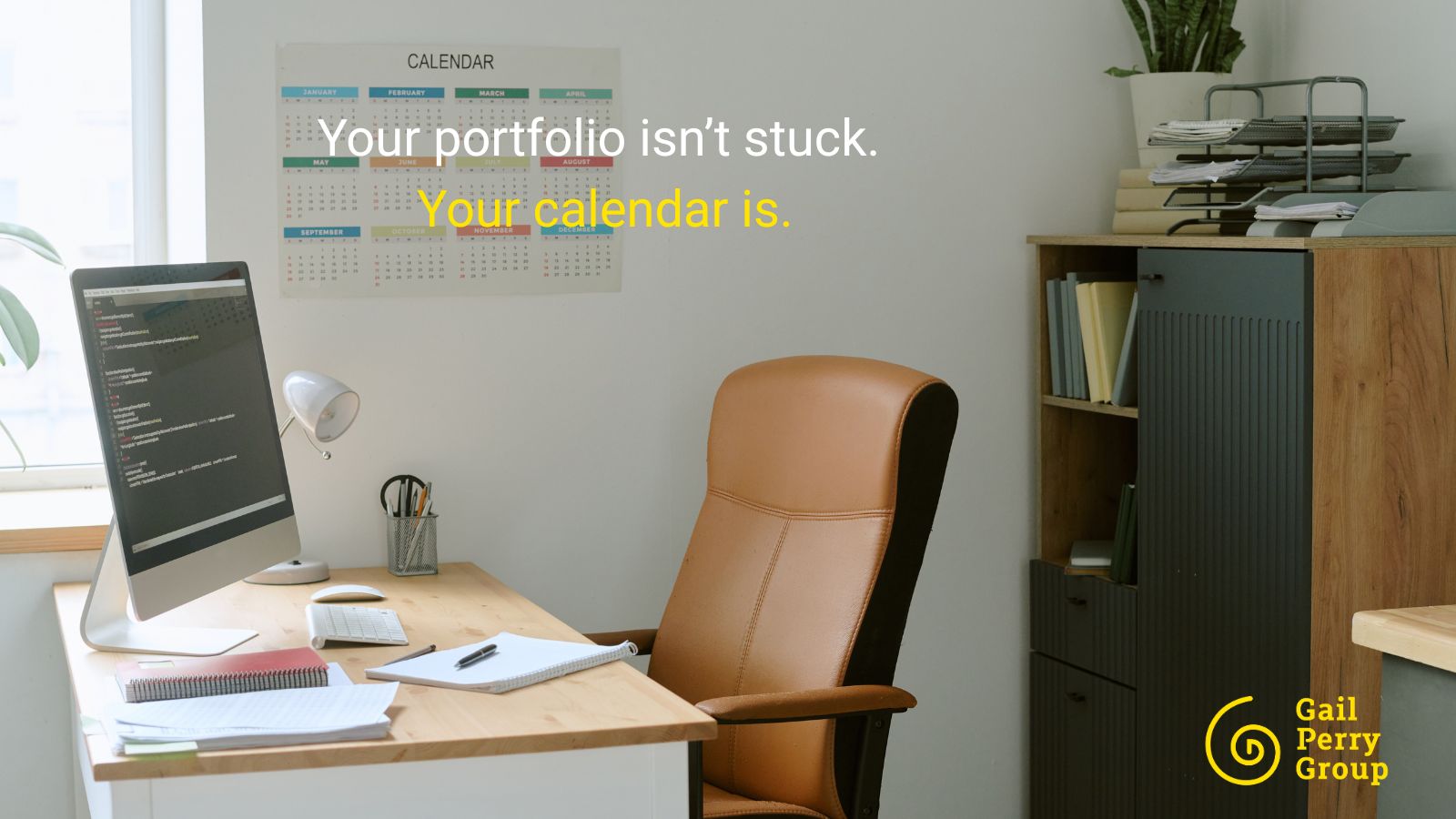
Estimated reading time: 5 minutes
It’s Friday afternoon. You pull up your portfolio report and realize you haven’t had a real cultivation conversation with your top prospect in six weeks.
Not because you didn’t want to. Not because you forgot. Because the week happened to you… And your calendar filled up before you could protect the work that actually moves the needle.
This is the most common reason major gift programs stall. Not a bad strategy. Not the wrong donors. Not insufficient talent on the team. A calendar that won’t make room for the work that matters most.
The Real Problem Isn’t the Portfolio
Here’s the thing about major gift fundraising: the answers are rarely mysterious. Most development directors we work with can tell us exactly which donors need what kind of attention. They know the next step for every prospect in their top twenty. They’re not confused about strategy.
They’re just out of time before they get there.
Receive expert advice. Direct to your inbox. Subscribe
Every hour spent on reporting, event logistics, internal meetings, or grant writing support is an hour not spent deepening the relationship that leads to a transformational gift. The portfolio isn’t stuck. The calendar is.
And there’s a deeper issue underneath the time problem: permission. Saying no to a low-priority obligation feels irresponsible. Protecting cultivation time feels like you’re not being a team player. Rescheduling a donor visit because a board member needs something feels like the obvious right call.
It isn’t.
Protecting Cultivation Time Is a Strategic Choice
Let’s be clear about something that isn’t said nearly often enough: protecting time for your top twenty donors isn’t selfish—it’s the single most strategic move you can make for your major gift program.
When we asked fundraisers how they’d handle a portfolio of 120 prospects, the largest group gave exactly the right answer: move the bottom fifty to a separate track and focus intently on the top twenty. They knew what to do. Most weren’t doing it.
The gap between knowing and doing in major gift fundraising almost always comes back to permission. So here it is, explicitly: saying no to lower-priority work in order to protect cultivation time is not laziness. It’s leadership.
Three Practices That Build a Program That Actually Performs
These aren’t a new system or a software solution. They’re disciplines that change what your weeks look like, and by extension, what your portfolio looks like twelve months from now.
Find out how we can help you achieve your fundraising goals with world-class consulting and custom training.
First: block two cultivation-visit slots before anything else lands on your calendar each week. Hold them like board meetings: Not optional; not movable without deliberate decision-making. If you don’t protect the time in advance, something else will always take it.
Second: each Monday morning, name one donor who has been in cultivation for ninety or more days without meaningful movement forward. Write one specific next step for that relationship before the end of the day. Not a task to schedule. A specific, relationship-informed move based on what you know about that person.
Third: practice saying no to one non-cultivation obligation each week and call it a strategic choice when you do. The language matters. “I need to protect time for donor work this week” is different from “I’m too busy.” One signals leadership. The other invites negotiation.
What Changes When You Do This
The development directors who build major gift programs that actually produce don’t have better prospect lists or bigger budgets. They have a ruthless clarity about where transformational opportunity lives, and they treat the time required to develop those opportunities as sacred.
That clarity doesn’t come from a new system. It comes from deciding that cultivation time is not the thing that happens after everything else. It is the thing.
Your portfolio knows what it needs. The question is whether your calendar will let you give it.
One question worth sitting with this week: if you protected ten hours for pure cultivation visits — no admin, no meetings, no email — how would you spend them? Start there.
P.S. If calendar protection is a symptom of a deeper structural issue in your development program, that’s often what a Development Assessment surfaces. Our consulting team works on this directly. gailperrygroup.com/consulting or email us at capitalcampaigns@gailperrygroup.com.

 2026
2026